Farshad Asgarikia
University Assistant Professor, Researcher, Photographer, Filmmaker
Official WebsiteThis title reveals a story whose seed was planted a decade ago, grew alongside the transformations of Iranian society, and has now reached maturity with this exhibition.
In 2015, I held my first solo photography exhibition in Iran, 91 Years Old of My Father. It was met with resistance from hardline religious authorities and, on the seventh day, was censored. In a sudden raid, security police shut down the exhibition. The gallery director and I were arrested, spending a night in a Tehran detention center among those accused of moral and criminal offenses—an experience filled with fear and uncertainty.
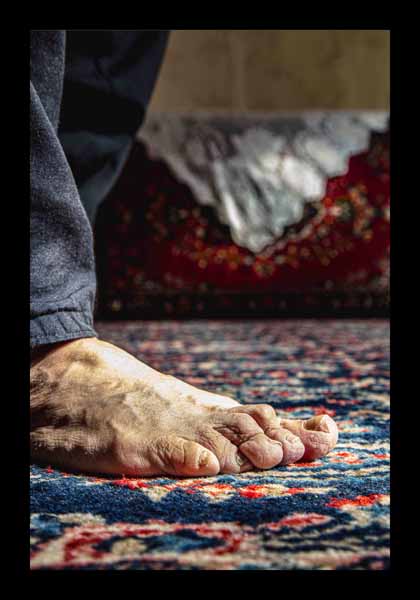
Released on bail, we stood trial, accused of displaying obscene images. When I asked the judge, “What is obscene about the aged and fragile body of my father?” he responded with contempt: “If it’s not obscene, then why didn’t you take the same kind of photos of your mother?” His words, meant as an insult, stayed with me.
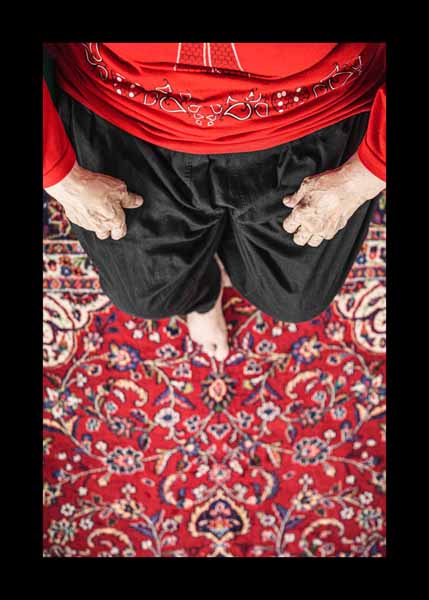
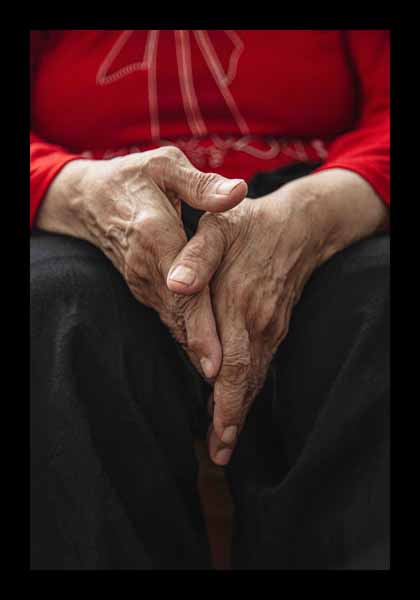
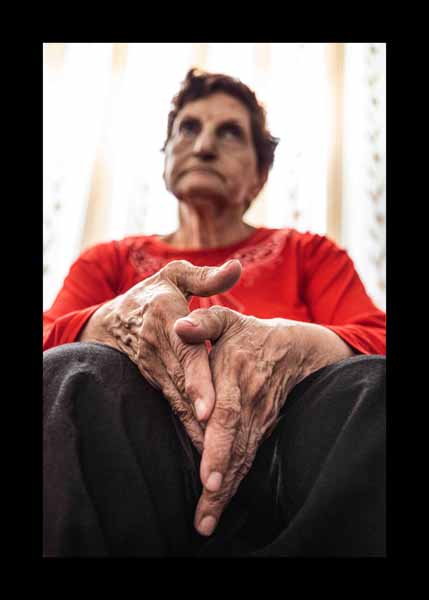
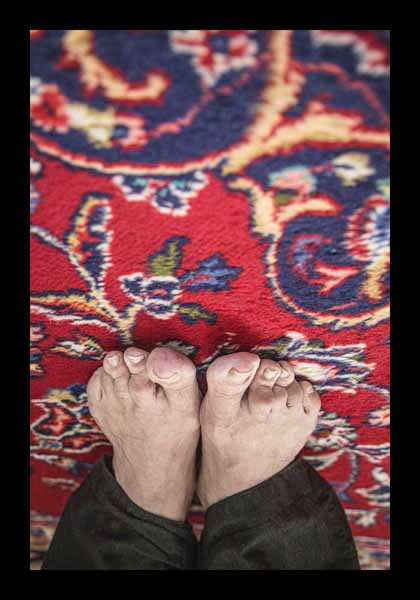
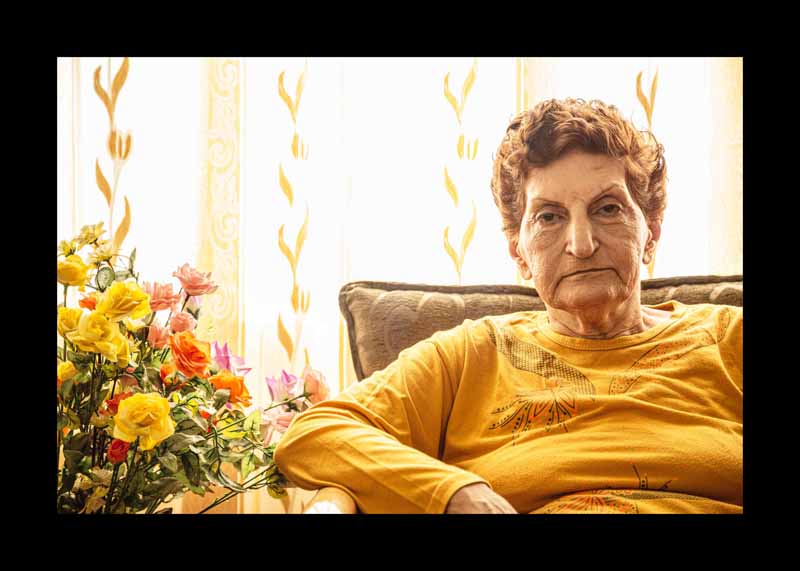
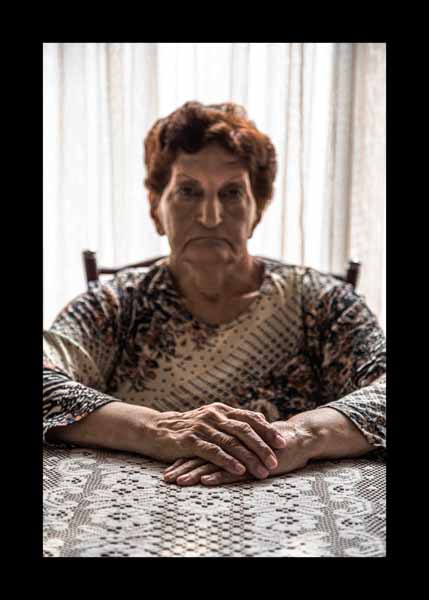
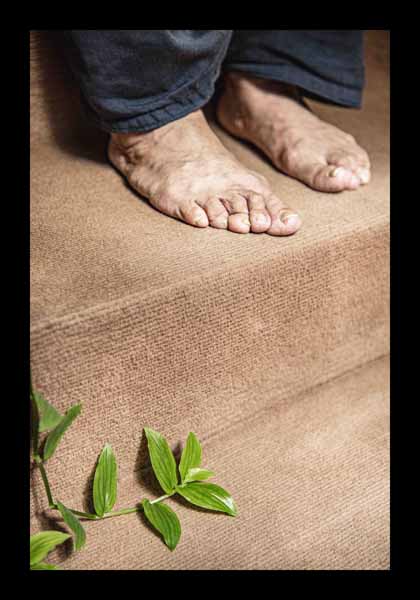
After the turmoil subsided, I visited my hometown, where my parents lived. Though I never spoke to them about what had happened, I couldn’t shake the judge’s remark. Perhaps I should create a photographic series of my mother. But would I ever have the opportunity, the security, or the freedom to exhibit them?
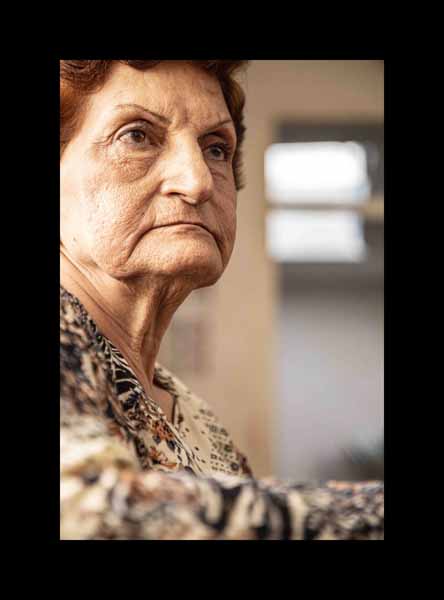
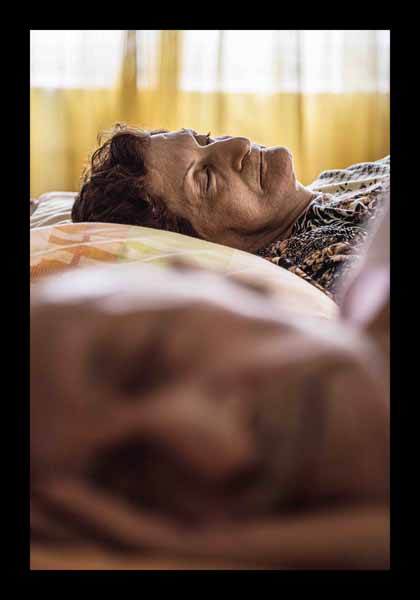
Then, without any prior discussion, my mother suddenly asked: “Farshad, why don’t you take photos of me the way you did of your father?”
I was stunned by the synchronicity of my thoughts and her request. At that moment, I knew I had to do it. And I did.
But I refrained from displaying the images. Exhibiting them in Iran would have required telling a story I simply could not tell in that environment. Meanwhile, my resentment toward the ideological system only deepened, fed by worsening social and economic crises and the regime’s totalitarian grip. When the Woman, Life, Freedom movement emerged, my quiet resistance found its voice. I took unpaid leave from my teaching position, unwilling to legitimize an unjust system. A year later, I was forced to resign. Blacklisted, struggling financially, and supporting my mother, I eventually emigrated to Cyprus.
Yet those final two years in Iran gave me time to reflect. I realized that my defiance against lies, inequality, and religious despotism had not begun recently—it had taken root in my teenage years.
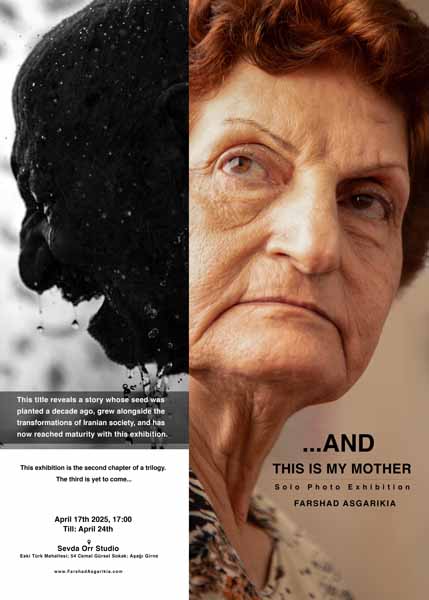
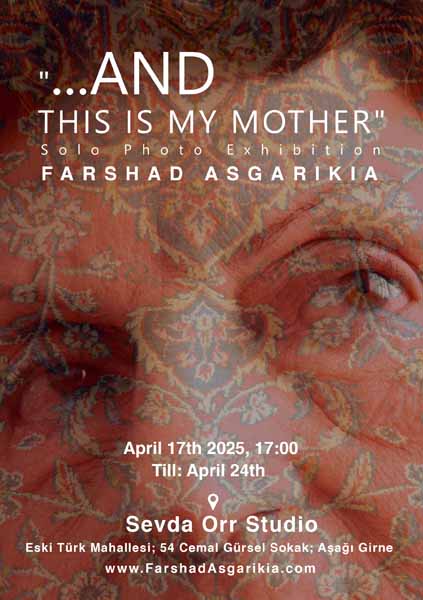
This exhibition is a continuation of my previous work, unfolding in a new time and place. The weight of my unspoken anger has finally been transformed into visual expression, freeing my soul. I had to do this—I did do this—because submission to coercion, whether in the form of a ruling authority or a concealed ideology, is inconceivable to me, no matter how acceptable it may seem to others.
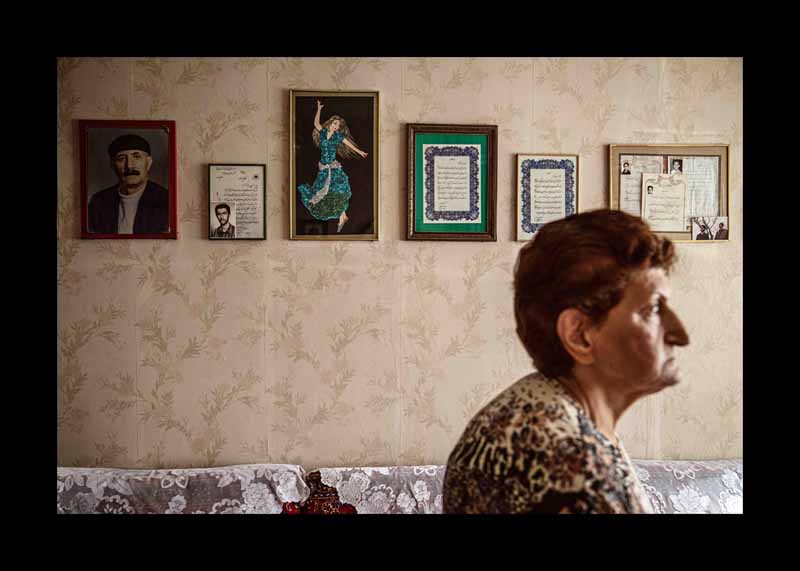
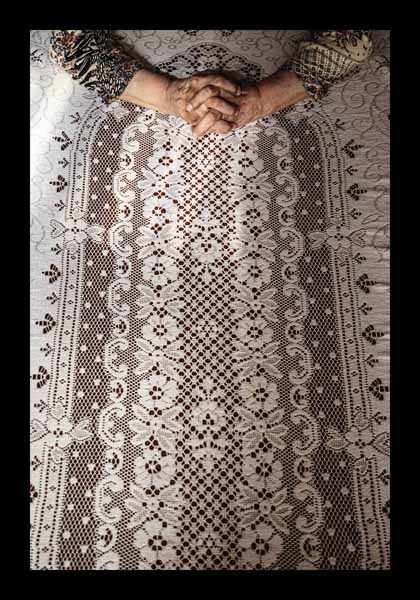
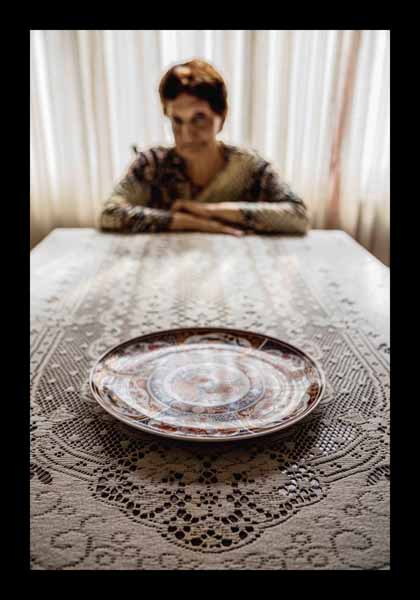
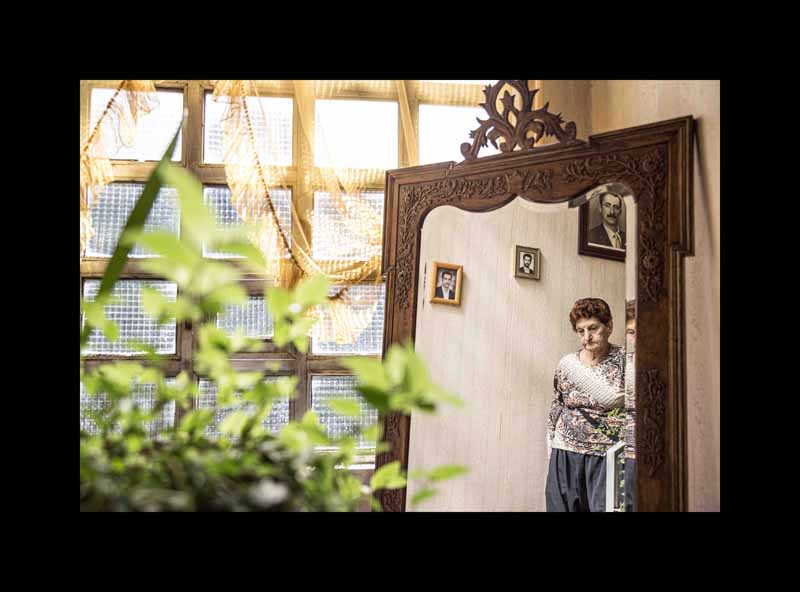
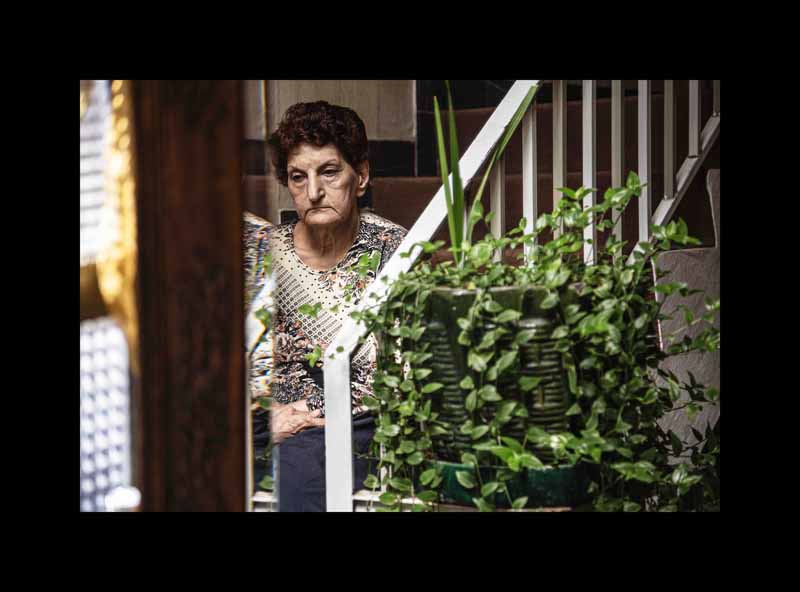
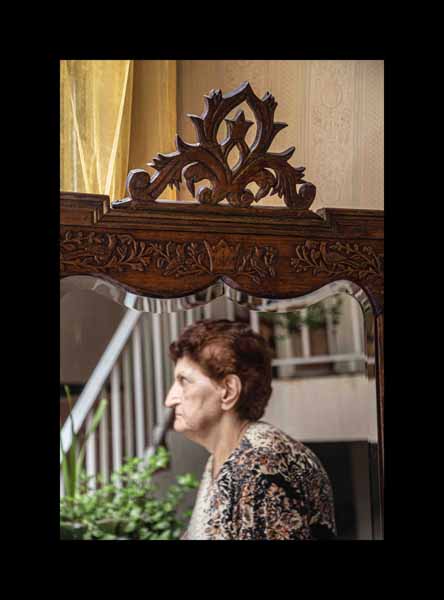
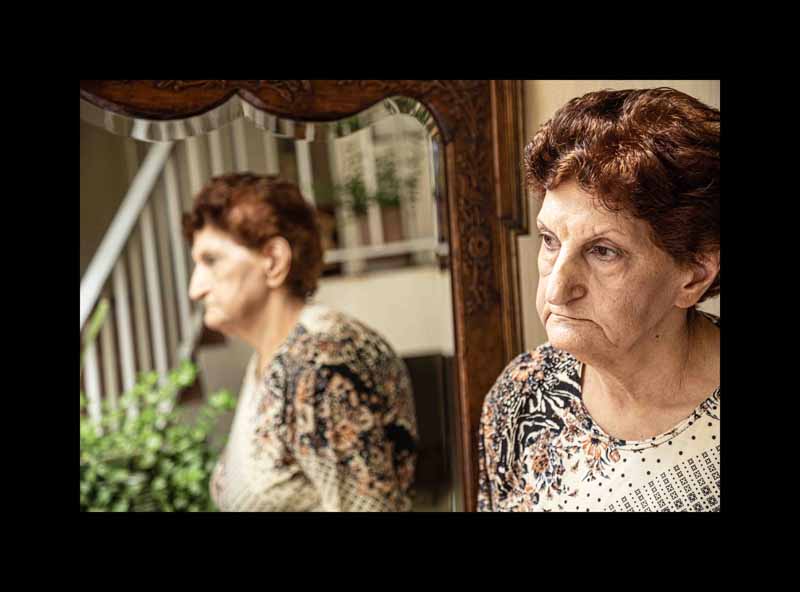
Unlike my father in his final years, my mother has always held deep attachments to objects—colorful artificial flowers beside countless pots of a single flowerless plant, a tall Baghdad mirror inherited from my grandfather, an old Chinese porcelain plate, a lace tablecloth, thick Tabriz carpets, and more.
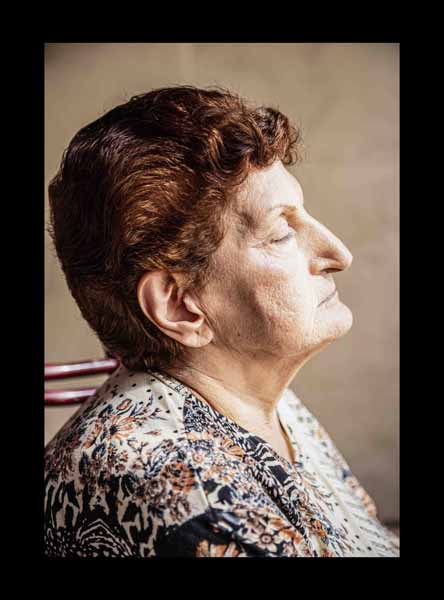
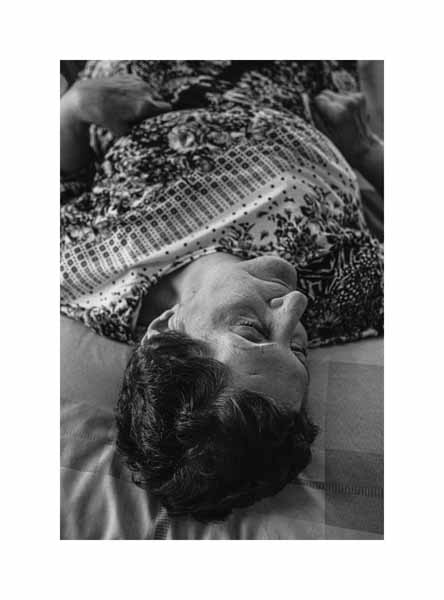
When I look at my mother’s portraits, they evoke emotions that align with the Woman, Life, Freedom movement—an intimate perspective on a woman, a mother, within the patriarchal and authoritarian structure of Iranian society. To provide historical and visual context, I have included some photographs of my father from my previous exhibition. If my mother’s portraits, whether viewed independently or alongside my father’s, suggest new meanings—and I believe they do—then the interpretation now belongs to the audience. Further explanation would only diminish my role as a photographer.
I know the judge in that courtroom was merely a representative of a broader ideological and cultural system—one deeply rooted in religious fanaticism. I have heard that he has since retired and now practices law. Perhaps he will hear about this exhibition. Perhaps he won’t. But now, I no longer care.
He was never important.
What is important is the history and culture of religious absolutism—the system of thought that has governed for centuries. If, through my work, I have taken even the smallest step toward questioning and challenging that fundamentalism—toward creating space for tolerance, open-mindedness, and dialogue—then I have done what I set out to do.
This exhibition is the second chapter of a trilogy. The third is yet to come…